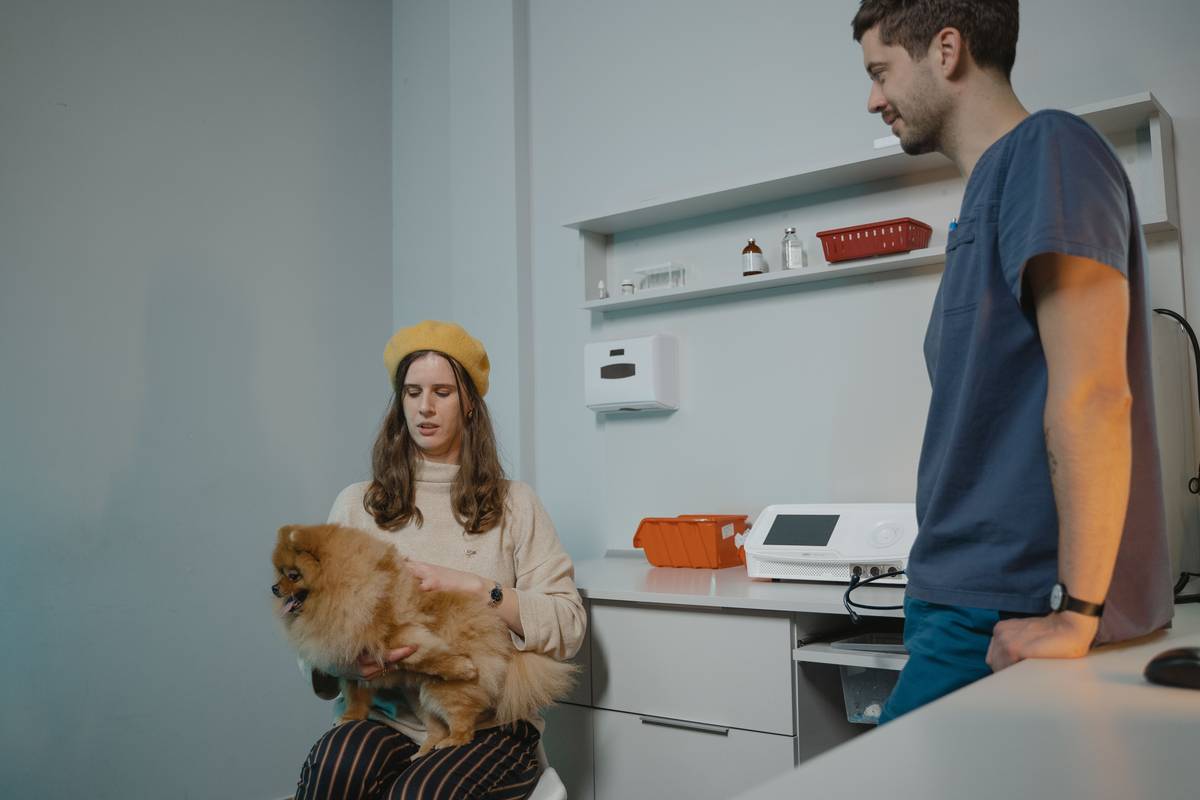
If your dog’s liver enzymes came back elevated on a blood test, you’re probably Googling everything from “liver support for dogs” to “best copper supplements.” You’re not alone—and you’re right to be concerned. The liver is your dog’s detox powerhouse, and when it struggles, systemic health unravels fast. But here’s the kicker: many well-meaning pet parents accidentally worsen liver issues by giving copper-rich supplements without knowing their dog’s specific condition. I learned this the hard way with my Beagle, Milo. After his ALT levels spiked, I grabbed a popular “liver support” chew loaded with copper—only to later discover he had copper-associated hepatopathy (a condition where copper builds up in the liver). His symptoms worsened within weeks. That mistake cost us thousands in emergency vet bills and months of recovery. This guide cuts through the noise with vet-backed, actionable steps for safe, effective canine hepatic care—so you don’t repeat my errors.
Table of Contents
- Why Canine Hepatic Care Matters
- Step-by-Step Guide to Safe Supplementation
- Best Practices for Liver Support
- Real Results from Smart Care
- FAQs About Dog Liver Health
Key Takeaways
- Copper supplementation can be dangerous for dogs with certain liver diseases like copper storage hepatopathy.
- Always confirm diagnosis via biopsy or genetic testing before adding any mineral supplement.
- Zinc, SAM-e, and milk thistle are safer foundational supports for most liver conditions.
- Regular monitoring of liver enzymes (ALT, ALP) is non-negotiable during treatment.
- Work with a vet experienced in internal medicine—not just general wellness.
Why Canine Hepatic Care Matters
Liver disease affects an estimated 1–2% of dogs, but that number jumps dramatically in breeds predisposed to copper accumulation, like Bedlington Terriers, Doberman Pinschers, and West Highland White Terriers (NCBI, 2019). The liver processes toxins, stores vitamins, and produces bile—but it also manages copper levels. In healthy dogs, excess copper is excreted. In others, a genetic mutation causes copper to build up, triggering inflammation, fibrosis, and eventual liver failure.

Here’s the terrible tip you’ll still see online: “Boost liver function with copper supplements.” Stop. For dogs with copper-storage disease, this is like pouring gasoline on a fire. Even for dogs without diagnosed conditions, indiscriminate copper use risks toxicity. True canine hepatic care starts with understanding your dog’s unique biochemistry—not following generic supplement advice.
Step-by-Step Guide to Safe Supplementation
1. Get a Definitive Diagnosis
DON’T guess. Elevated ALT alone doesn’t mean copper overload. Request a liver biopsy or genetic test (e.g., COMMD1 gene screening for Bedlingtons) if your breed is at risk. Without this, you’re flying blind.
2. Rule Out Copper Before Adding It
If copper-associated hepatopathy is confirmed—or even suspected—avoid all copper-containing supplements. Period. This includes multivitamins, joint formulas, and “liver blends” that list copper sulfate or chelated copper.
3. Choose Safer Alternatives First
Start with evidence-backed, low-risk options:
- Milk thistle (silybin): Shown to reduce oxidative stress in canine livers (DVM360).
- SAM-e: Supports glutathione production, crucial for detox.
- Zinc acetate: Blocks copper absorption in the gut—often prescribed for copper overload cases.
4. Re-Test Every 8–12 Weeks
Track ALT, ALP, and bilirubin levels regularly. Improvement should be visible in 2–3 months if your protocol works. No change? Re-evaluate immediately.
Best Practices for Liver Support
- Avoid “natural” doesn’t mean safe: Some herbal blends contain pyrrolizidine alkaloids (from comfrey or coltsfoot), which are hepatotoxic. Check ingredient lists meticulously.
- Hydration is non-negotiable: Dehydration concentrates toxins. Add bone broth to water if your dog resists drinking.
- Lean protein only: High-fat diets increase liver workload. Opt for boiled chicken or turkey, never fatty scraps.
- Never self-prescribe human supplements: Human doses can kill dogs. Always use veterinary-formulated products.
Real Results from Smart Care
Take Sadie, a 6-year-old Doberman whose ALT hit 450 U/L (normal: <100). Her owner initially gave her a copper-fortified “detox” chew. ALT soared to 620. After switching to zinc acetate (5 mg/kg/day), SAM-e (20 mg/kg), and milk thistle—and eliminating all copper sources—her ALT dropped to 98 in 10 weeks. Biopsy confirmed reduced copper deposits. This turnaround wasn’t magic; it was precise canine hepatic care guided by diagnostics, not guesswork.
At Macnofun, we’ve seen similar cases resolve when owners ditch trendy supplements for science-backed protocols. Learn more about our philosophy on pet wellness through our About Us page.
FAQs About Dog Liver Health
Can copper supplements help a dog with liver disease?
Only if your dog is copper-deficient—which is extremely rare. Most canine liver diseases involve copper accumulation, making supplementation dangerous. Always test first.
What are early signs of liver problems in dogs?
Lethargy, vomiting, increased thirst, jaundice (yellow gums), and poor appetite. If you notice these, request a full liver panel immediately.
Is milk thistle safe for long-term use?
Yes, when dosed correctly (typically 20–50 mg/kg/day of silybin). Studies show it’s well-tolerated for chronic liver support.
How often should liver enzymes be checked?
Every 8–12 weeks during active treatment, then every 6 months once stable. Consistency saves lives.
Can diet alone manage copper-associated hepatopathy?
No. While low-copper diets (like Royal Canin Hepatic) help, they’re rarely sufficient alone. Medication (zinc) and regular monitoring are essential.
Where can I get personalized advice for my dog?
Reach out to our team—we’ll connect you with trusted vets. Just contact us directly. And rest assured, your data stays protected under our Privacy Policy.
In the world of pet supplements, less is often more—especially with copper. Your dog’s liver doesn’t need a boost; it needs balance. Skip the shortcuts, demand diagnostics, and remember: the best canine hepatic care isn’t flashy—it’s fiercely tailored.